
POEM = SYSTEM
On infinite remix, invisible language, author-removal and machines wandering through dark forests of found language

Join me somewhere soon at a talk, a show, or a workshop → Upcoming Events
Last month, I asked ChatGPT Atlas, OpenAI’s take on the browser, to read Atlas Shrugged and stop the moment it found the word “shrug.” It did. The act wasn’t the output but the hesitation. The pause. The choreography of a system finding itself mid-sentence.
Later that day, I built another system. This one reads my last 50 scam emails and turns them into poems. No new words. Only what’s already there: the broken pleas, the fake promises, the lonely punctuation. It rearranges fragments, loops them, hums. A perpetual machine for words.
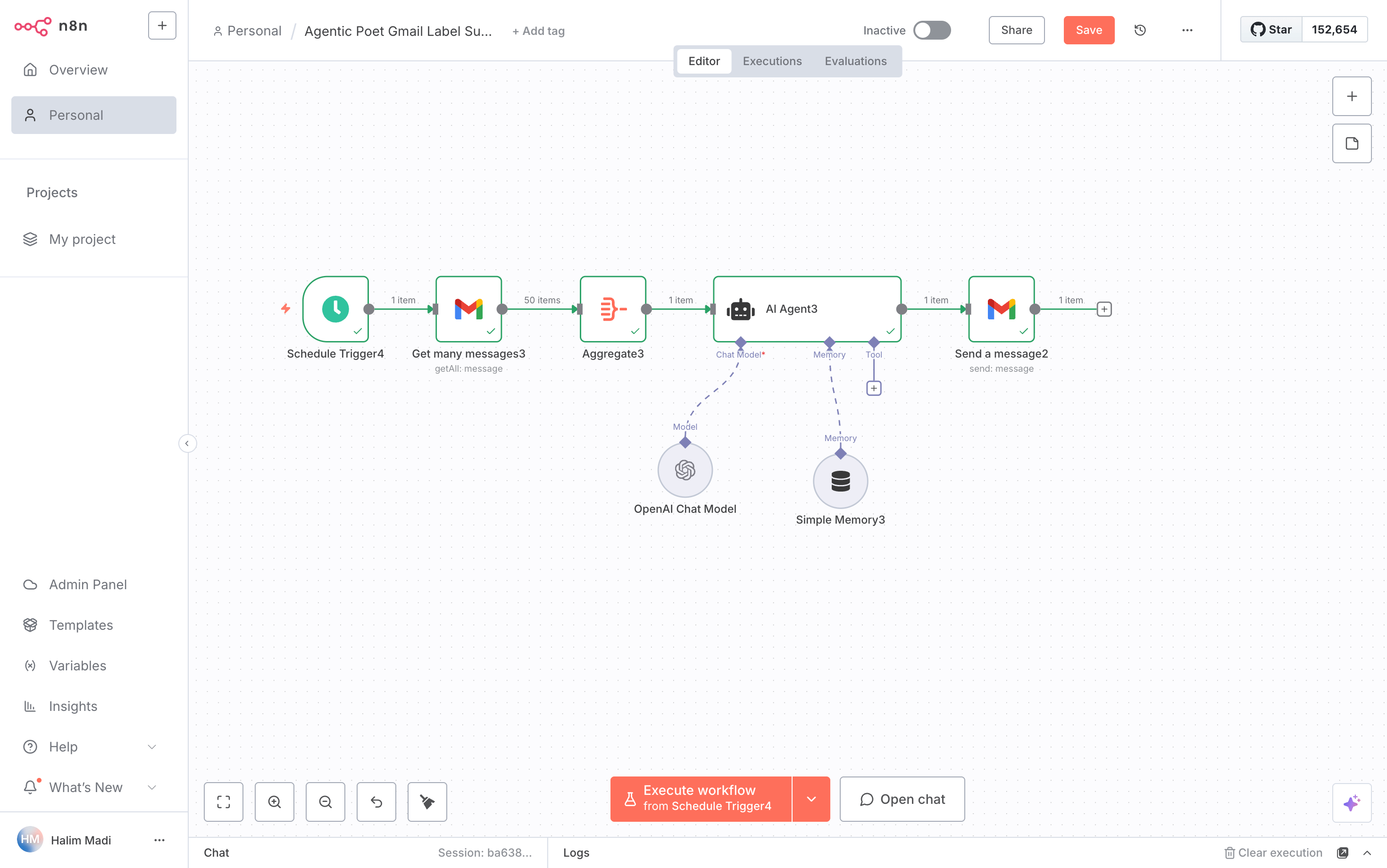
I’m fascinated by this invisible language multiplying around us. Text no one writes and no one really reads. Improbable trees falling in impossible forests in a world that never evolved eats. A vast unconscious network of subject lines and sign-offs, composing itself in the dark. The system becomes the poem.
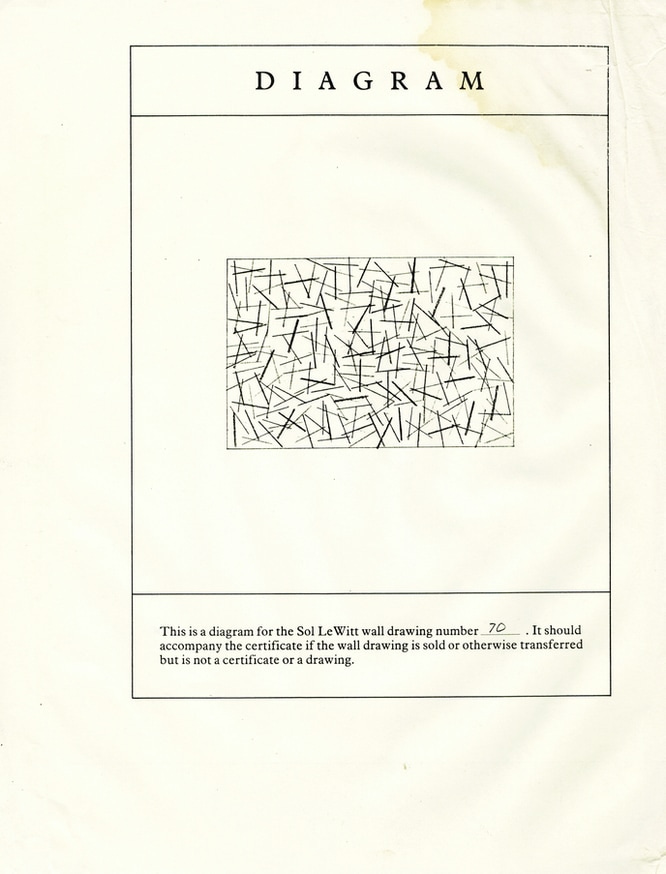
If Kenneth Goldsmith treated content selection as the poetic act, this turns the system itself into the primary authorial stance. Like Sol LeWitt’s instruction pieces, where the idea and the rule are the art, code repositories and pipelines are now the artwork. Copyable. Re-runnable. Infinitely re-mixable. The algorithm is both the artwork and the content, each run rewriting the same silence differently.
We are using power tools for poetry. What Tristan Tzara did with scissors and newspaper, we now do with APIs and spam datasets. Not to escape meaning, but to find a new kind of authorship, a poetics of selection, an aesthetics of surprise.
For the reader, the invitation is to sit with provenance. What is authorship when the author is an architect, not a speaker? When the language itself generates and regenerates without us? Studies show that a growing majority of online text (emails, reviews, blog posts, social updates) is now algorithmically generated or modified.¹ What we read is increasingly a recombinant hum.
So I’m trying to listen. To see the system as poem. Not a tool for productivity, but a space for wonder. A strange voice, maybe unheard, that keeps humming.
Further reading for the curious:
Kenneth Goldsmith, Uncreative Writing
Sol LeWitt, Sentences on Conceptual Art
Søren Pold & Christian Ulrik Andersen, The Metainterface: The Art of Platforms, Cities, and Clouds (MIT Press, 2018)
Ruth Aylett, Narrative and AI: Machines as Storytellers (SAGE, 2023)
¹ TechRadar, “AI-generated content now makes up over half the web,” 2024.