
Becoming Border
New Net Art Work On Enclosures, Migration, and the Lines We Draw

I’ve learned a thing or two about borders. Not only as lines on maps, but as sensations. As pauses. As small divergences that change the direction of a life.
Because I hold a Lebanese passport, I have needed a visa for nearly every country I’ve entered. Movement, for me, has always come with paperwork. Once, at the British border, I was asked what I intended to do during my visit. I said I might use my laptop. Work a little. The officer held one end of my passport while I held the other. Then he let go. I was denied entry. A year dissolved in that gesture. I did not cross the border that day. In some way, I became it.
Migration is not new. Humans have been moving for tens of thousands of years. Homo sapiens left East Africa around 60,000 to 70,000 years ago. The Americas were peopled at least 15,000 years ago. The Migration Period in Europe reshaped the continent between the 4th and 9th centuries. The Atlantic slave trade forcibly displaced more than 12 million Africans. After World War II, over 60 million people were displaced across Europe and Asia.
Movement has always been part of our species.
What feels different now is the density and the texture of it. The modern passport system became standardized after World War I. In 1960, there were around 90 international borders; today there are more than 310 land borders. Since 1990, more border walls have been built globally than during the Cold War. At the same time, the United Nations estimates that around 281 million people live outside their country of birth as of 2023. One in thirty humans.
Migration is no longer an exception. It is close to a condition.
And yet, it seems like we have under-indexed what this has done to us internally. To move from one place to another is not simply to relocate. It is to enter a different ecosystem. Different pricing structures. Different bureaucracies. Different humor. Different air. Different assumptions about what a body is allowed to be.
To migrate is to practice a kind of ongoing shape-shifting.
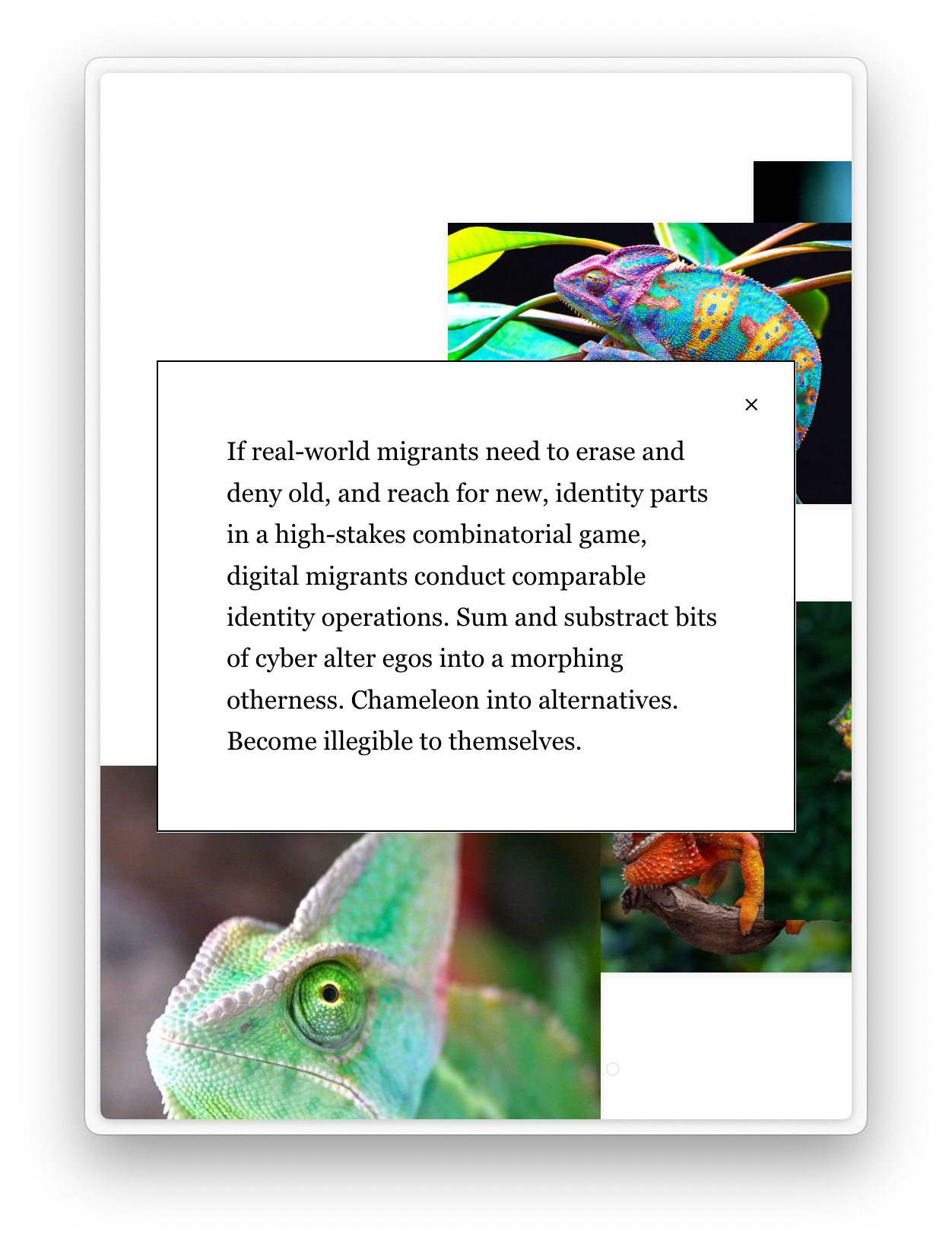
You adjust speech. You adjust posture. You learn new rules. You learn which parts of yourself travel well and which need translation. Sometimes, crossing a border feels like crossing into a new timeline. Sometimes it feels like carrying two timelines at once. It feels like that might be migrant consciousness. Not just displacement, but a heightened awareness of the lines that organize a world.
What has also emerged in the past three decades is another layer of borders. We were once told the internet was borderless. Now it is marked by geofences, paywalls, differential pricing, content moderation regimes, biometric gates, algorithmic filtering. Every digital interaction has a location. It is tracked, inferred, or erased.
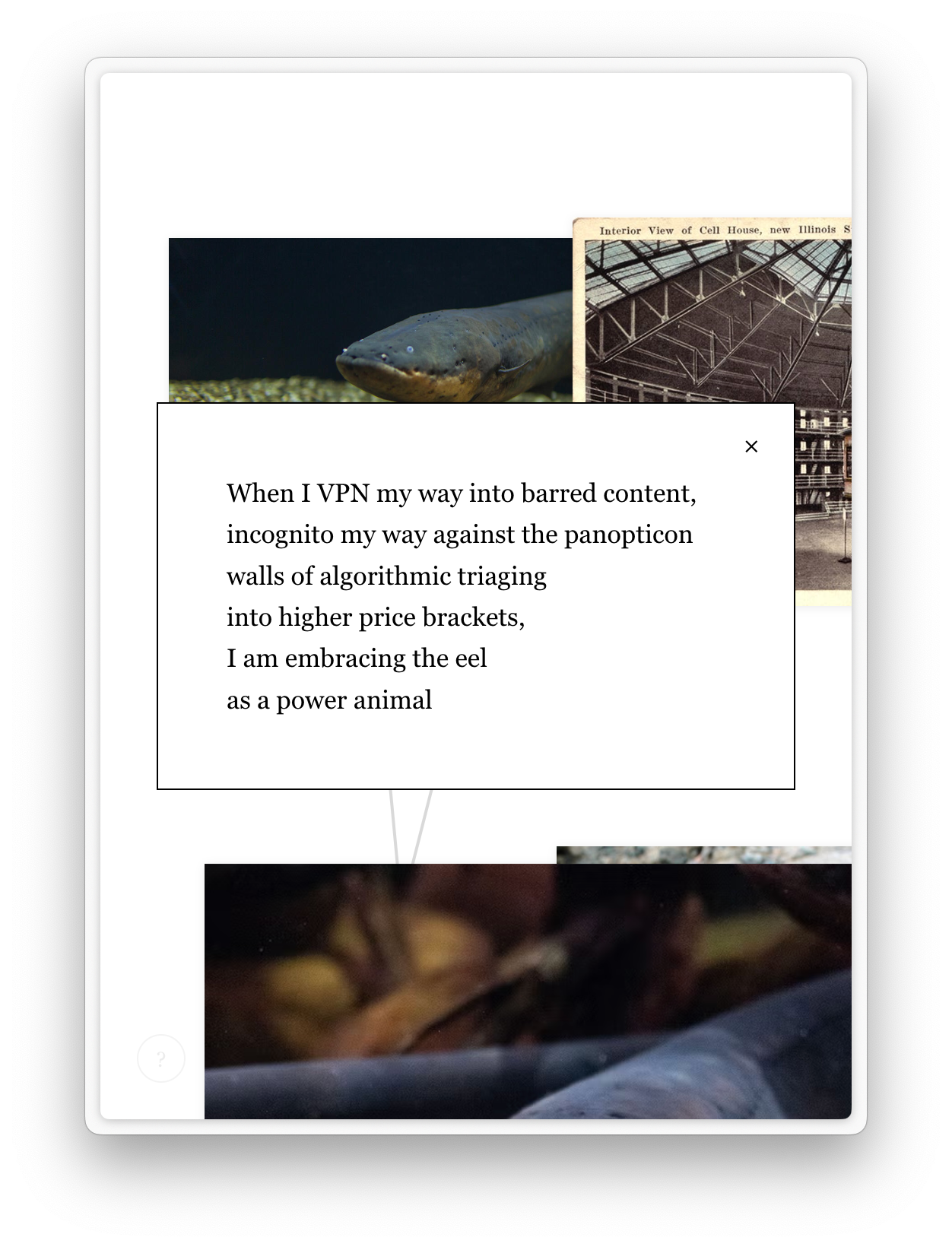
Borders are no longer only geopolitical. They are also digital. When I use a VPN to access content unavailable in my region, or when I watch prices shift based on where I am located, it feels like a familiar logic. The digital border resembles the physical one. Both sort bodies. Both classify access. Both draw invisible lines that only become visible at the moment of refusal.
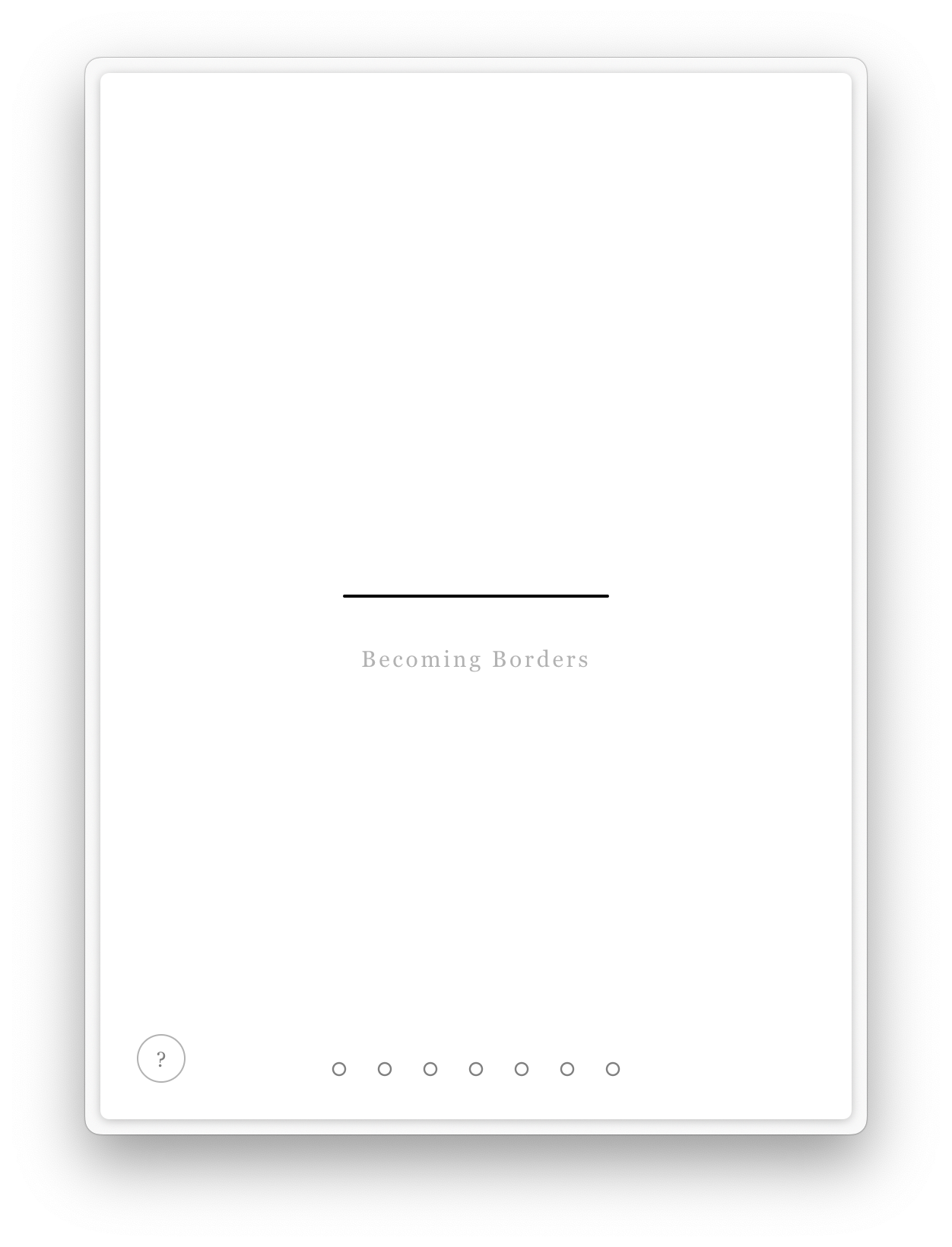
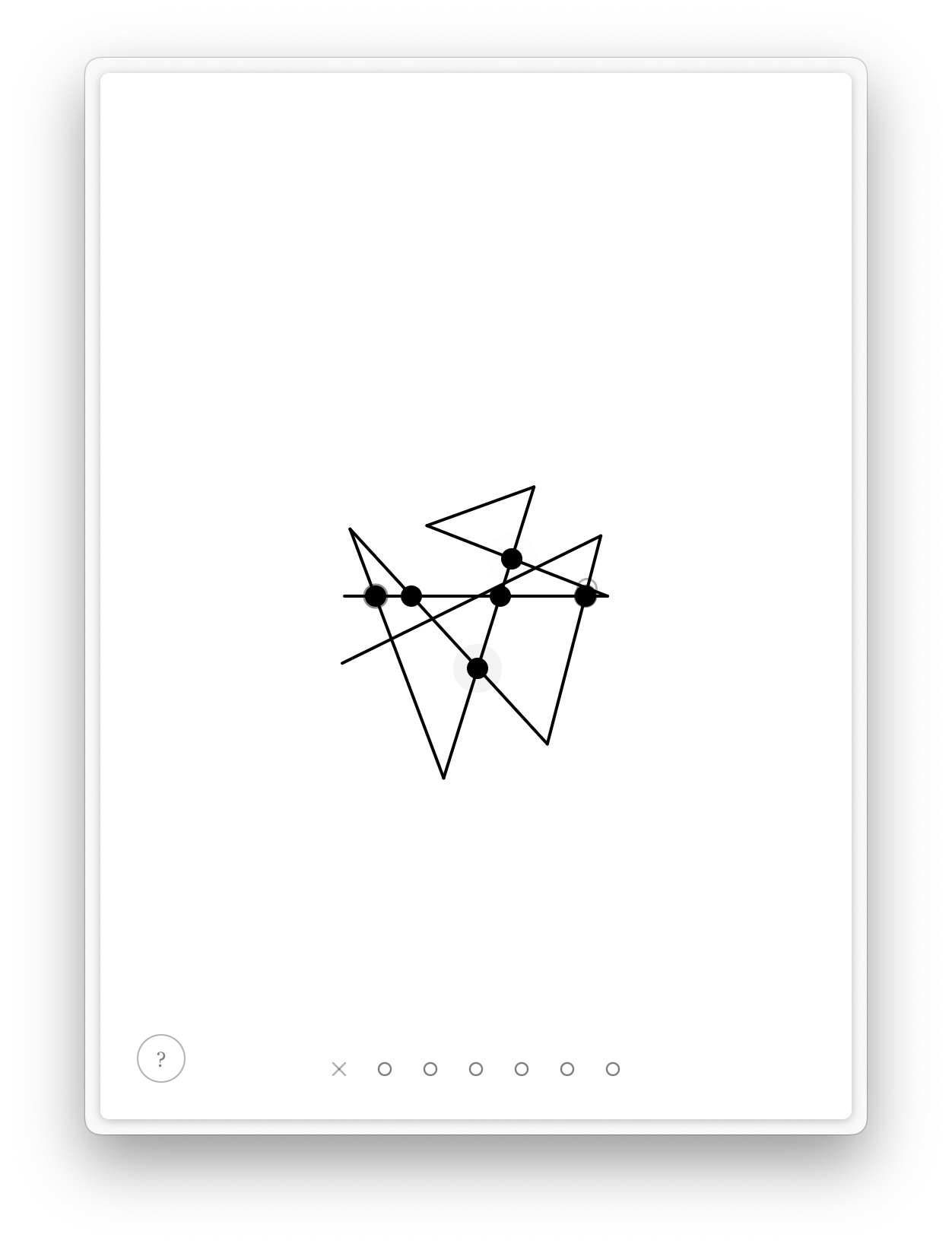
This is part of what my interactive piece Becoming Borders explores. On screen, the reader begins with a single line segment. Each click extends the line. Eventually, the line crosses itself. Where crossings occur, small dots appear. Each dot opens a short story. Seven crossings in total.
The reader draws the map by interacting with it. By the end, the screen holds a quilt of intersections. A pattern generated through movement and self-crossing.
The work grew out of a simple thought: what if crossing a border is not only about passing through a line, but about becoming part of the geometry that produced it? When I was refused entry in the UK, it felt like my life forked. A new path opened precisely because another one closed. The line did not disappear. It inscribed itself differently.
There is also something about skin and screen that feels related. The screen came later. First was the skin. The skin is our earliest boundary. It protects, conceals, registers temperature and pressure. It is not a wall, but a membrane. It allows certain things through. It keeps others out.
In a retrospective of Ana Mendieta at Museum of Modern Art, I encountered a line suggesting that her work did not only point to exclusion, but to a personal will to continue being other. Mendieta pressed her body into earth, marked landscapes with silhouettes of herself. She did not erase the border between body and land; she made it visible. That gesture feels instructive.
Migration today often involves holding multiple ecosystems at once. My mother’s television congregation and my polycule’s public Instagram account coexist. We hold hands in Paris. We remain, in certain ways, strangers to each other. Not as a failure, but as a condition.
Perhaps re-bordering is not only about new walls, but about new crossings. New ways of relating to the lines that structure access. In Becoming Borders, the final story simply notes: you have been drawing and crossing lines by yourself. The map that emerges is yours.
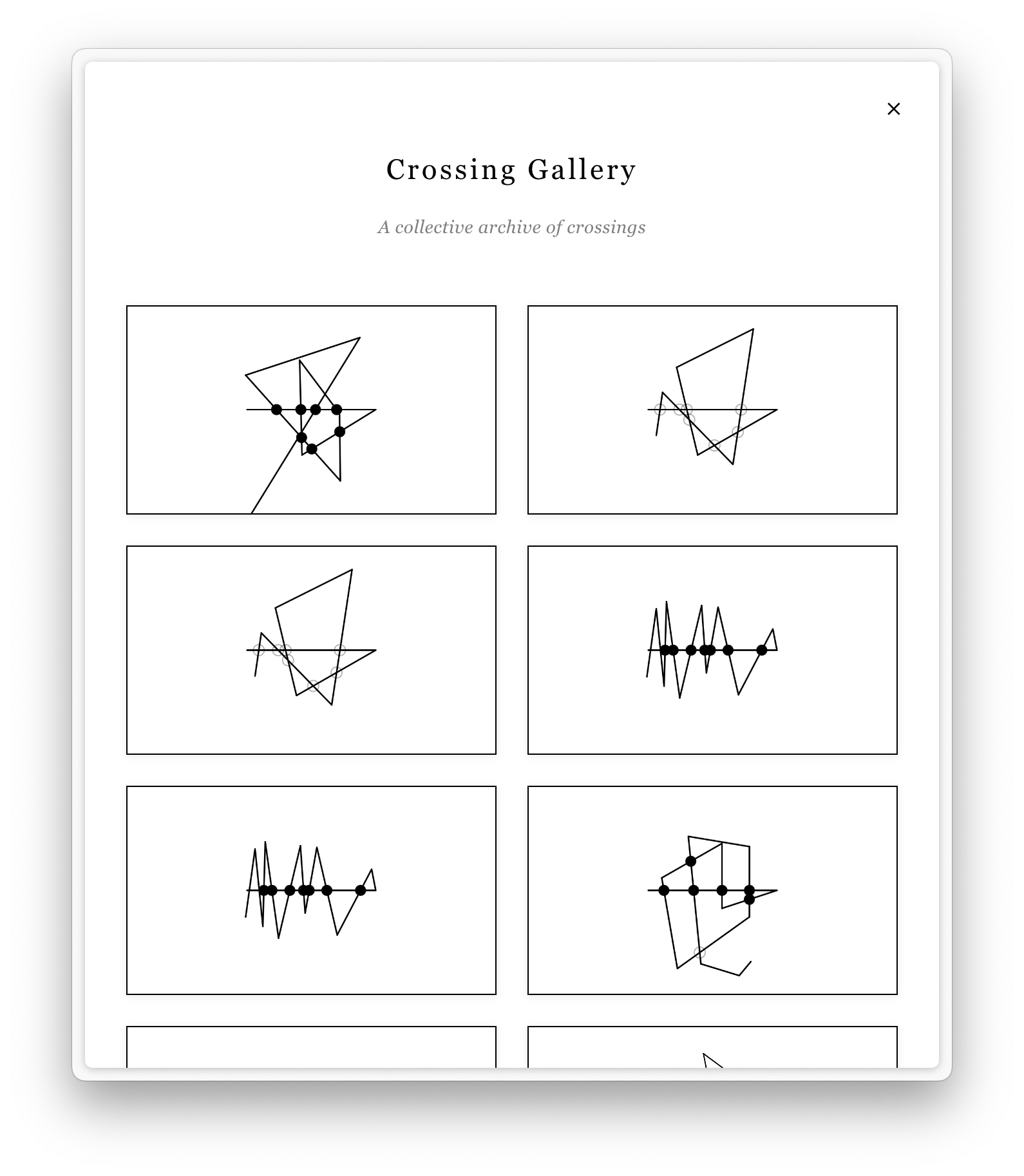
Each crossing is slightly different. Each map looks unlike the next. That, too, might be part of what enclosure produces: not only restriction, but new geometries of self.